
Optimal Timing for Storm Restorations
Storm restorations are most effective when performed during specific times of the year to minimize disruption and maximize safety. The optimal period typically falls outside of peak storm seasons, allowing for thorough repairs before the next weather event. Proper timing ensures structures are resilient and can withstand future storms.
This period often sees fewer severe storms, making it ideal for inspections and repairs to prepare for the storm season.
Performing restorations after the storm season allows for assessment and repairs when weather conditions are more predictable.
Late fall and winter can be suitable times for restoration work, avoiding peak storm activity and scheduling flexibility.
Choosing periods with stable weather reduces delays and ensures quality work, especially in regions prone to unpredictable storms.

Ways to make Storm Restorations work in tight or awkward layouts.
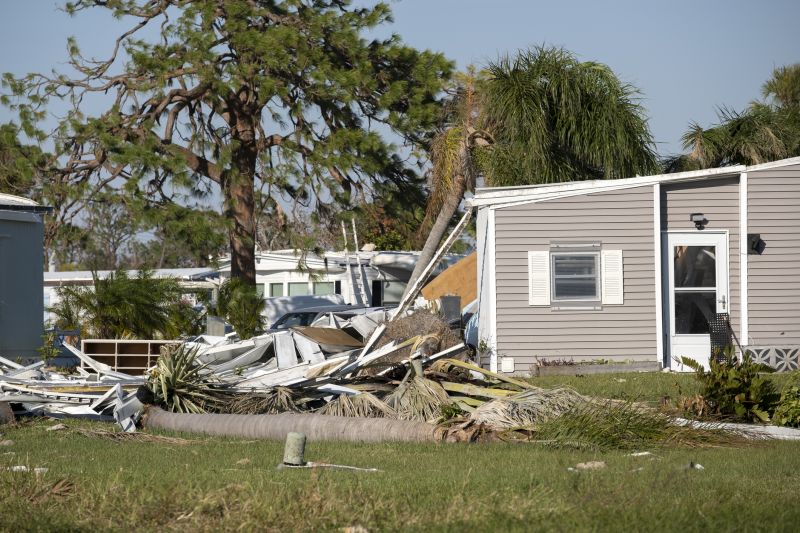
Popular materials for Storm Restorations and why they hold up over time.

Simple add-ons that improve Storm Restorations without blowing the budget.
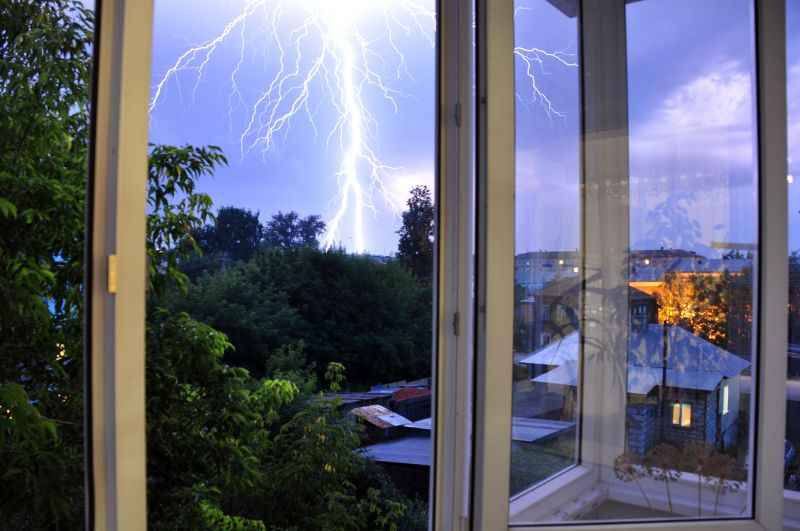
High-end options that actually feel worth it for Storm Restorations.
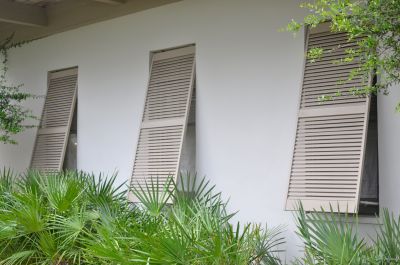
Finishes and colors that play nicely with Storm Restorations.

Little measurements that prevent headaches on Storm Restorations day.
Storm restorations are critical for maintaining the safety and integrity of structures after severe weather events. They involve repairing or replacing damaged roofing, siding, windows, and other building components. Timely restoration reduces further damage, prevents mold growth, and preserves property value. Statistically, timely repairs can decrease long-term costs and improve resilience against future storms.
Understanding the seasonal patterns and preparing in advance can significantly impact the effectiveness of storm restorations. Proper planning ensures that repairs are completed efficiently, minimizing downtime and safeguarding assets against unpredictable weather conditions.

A 60-second routine that keeps Storm Restorations looking new.
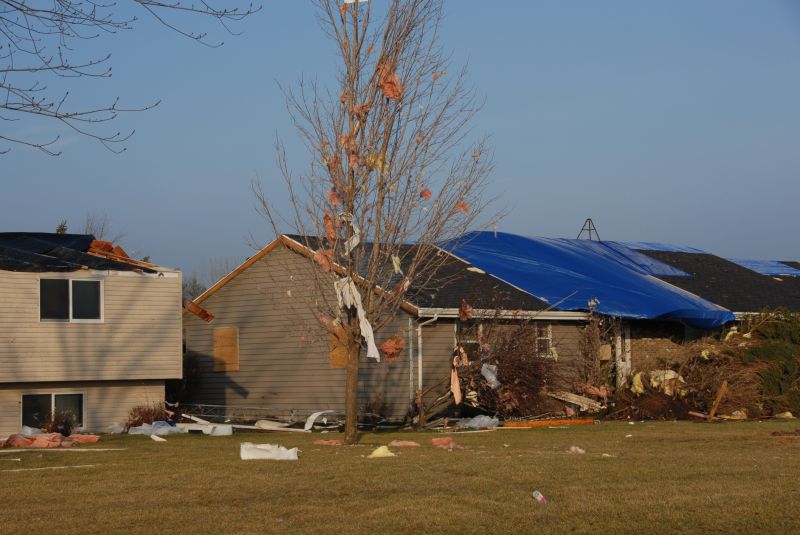
A frequent mistake in Storm Restorations and how to dodge it.

Small tweaks to make Storm Restorations safer and easier to use.

Lower-waste or water-saving choices for Storm Restorations.
| Season | Advantages |
|---|---|
| Spring and Early Summer | Ideal for preparation and inspections before storm activity increases. |
| Post-Storm Season | Allows assessment and repairs during calmer weather. |
| Off-Peak Months | Provides scheduling flexibility and less disruption. |
| Late Fall and Winter | Suitable for repairs in regions with less storm activity. |
| Pre-Storm Season | Prepares structures to withstand upcoming storms. |
Filling out a contact form can facilitate scheduling timely storm restoration services. Prompt action ensures structures are resilient and ready for future weather events, reducing potential damage and associated costs.